
FAQ
-
What are the differences in application scenarios between sterilized products and non-sterilized pro
Core difference: Sterilized products undergo strict sterilization treatment and are free of microbial contamination. They are suitable for invasive operations, sterile environments (such as surgeries, punctures, wound suturing, and implantation equipment matching); non-sterilized products have not undergone sterilization treatment and are only suitable for non-invasive, clean scenarios (such as daily wound cleaning and covering, equipment surface wiping, and general protection).
-
What are the differences between the common classifications and applicable scenarios of medical band
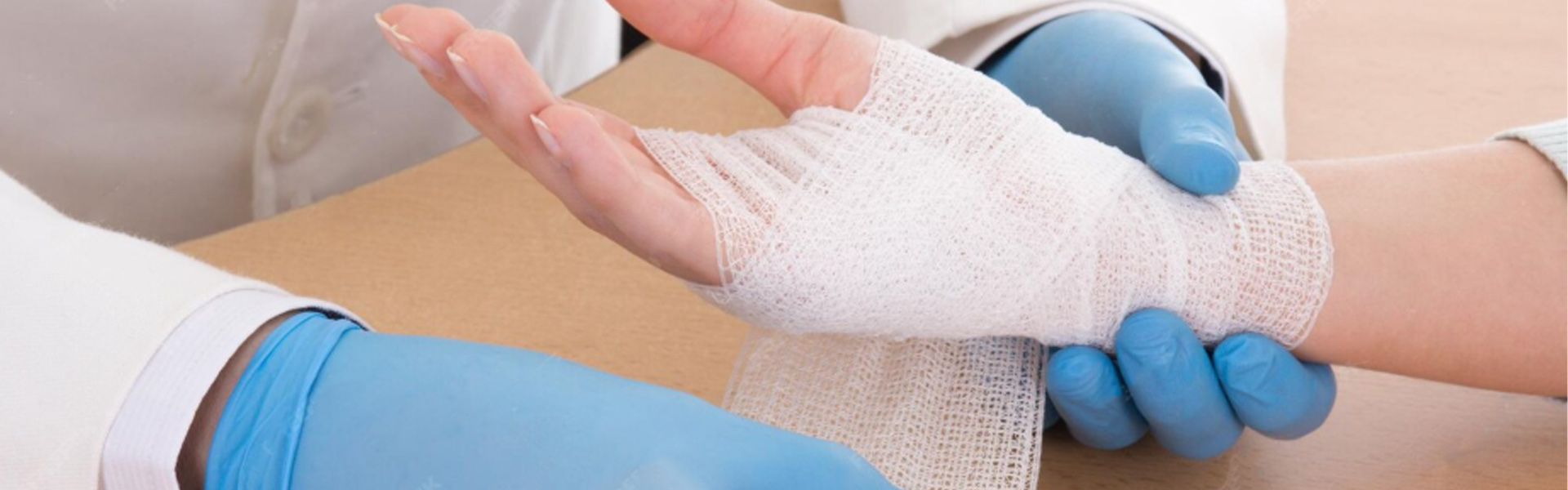
Common gauze bandages: Breathable and absorbent, suitable for wound dressing and fixation of dressings, with high cost performance, without antibacterial function.
Elastic bandages: Stretchable, suitable for fitting joint areas, applicable for fixing sprains and contusions, or for applying pressure to stop bleeding after surgery.
Antibacterial bandages: Contain antibacterial components, suitable for infected wounds and prone-to-infection areas, reducing bacterial growth.
Waterproof bandages: Waterproof and breathable, suitable for bathing and contact with water scenarios, protecting wounds from getting wet. -
What are the main types of medical gloves and how should one choose them?
The main types include latex gloves, nitrile gloves, and PVC gloves. Latex gloves have good fit and elasticity, making them suitable for routine diagnosis and treatment, but they have the risk of protein allergy; nitrile gloves do not contain natural latex protein and have excellent anti-chemical and anti-puncture properties, suitable for people with allergies, operating rooms, and laboratories; PVC gloves have high cost performance and average breathability, and are mostly used for short-term, low-risk basic nursing operations. You can choose the corresponding product based on the usage scenario, the allergy history of the wearer, and the protection level.